


These projects reflect the broader objective of the CPP call: to foster the transfer of scientific knowledge into innovative, marketable technologies through collaboration between research institutions and private industry.
Congratulations to Mariano, David, Ángel, and all ICMAB researchers involved in these impactful initiatives!
EXCELION: laser technology for next-gen batteries
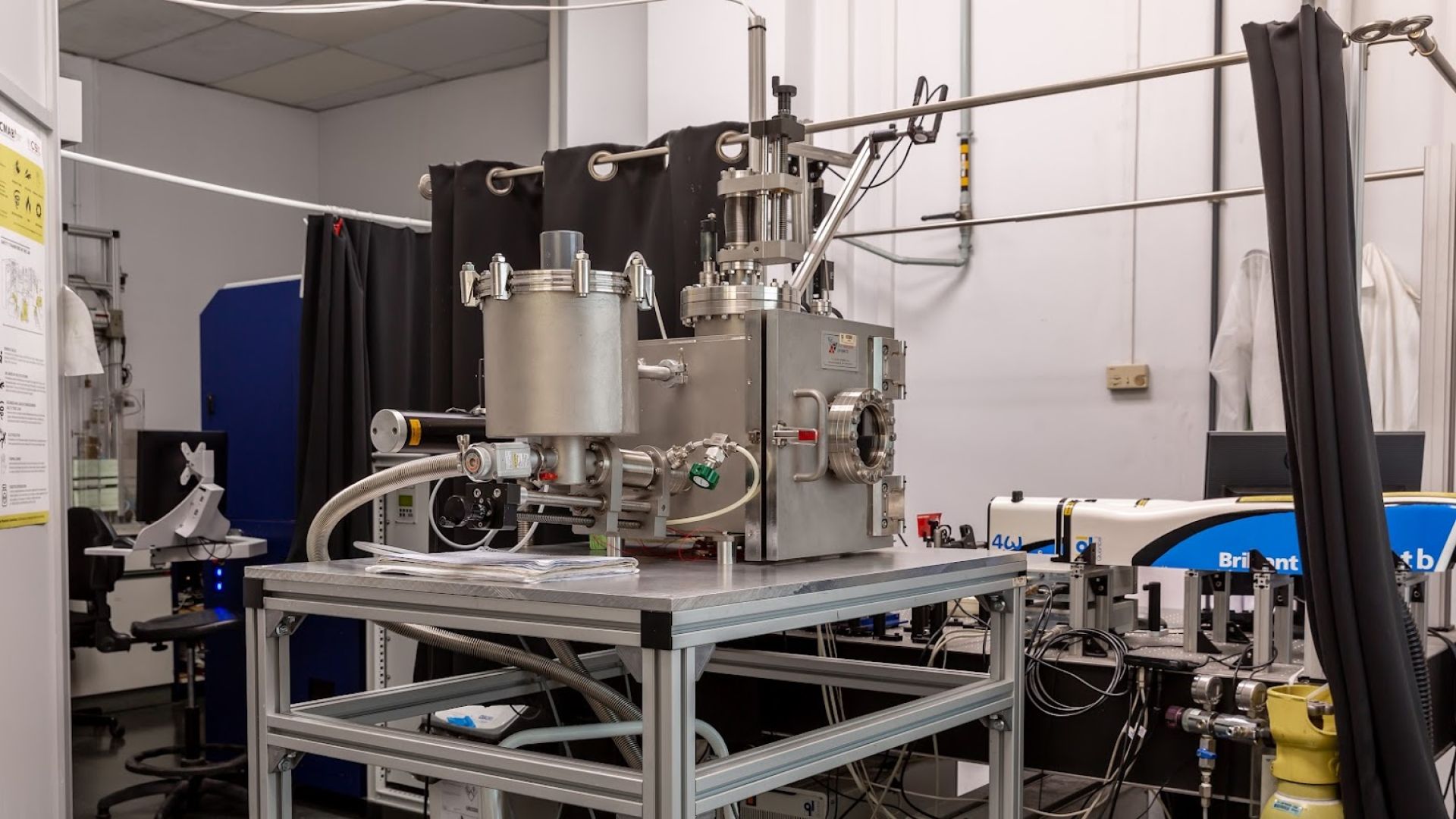
The EXCELION project “Multifunctional electrodes based on laser-modified carbon xerogels for metal-ion batteries" focuses on designing and creating multifunctional electrodes for next-generation batteries, such as those based on sodium, potassium, zinc, and aluminum. The goal of the project is to meet the demand for more efficient energy storage solutions for industrial and technological applications.
The key to this innovation is laser irradiation, an advanced technique used to modify the materials that make up the electrodes. "Laser technology offers great potential for tailoring and enhancing the electrochemical properties of electrodes to meet the specific needs of each battery technology. We aim to increase the electrical conductivity, storage capacity, and stability of the electrodes in a fast, efficient, and cost-effective manner" explains Ángel Pérez, ICMAB-CSIC researcher at the Laser Processing Group.
Apart from the ICMAB Laser Processing Group, led by Ángel Pérez, and Zelestium Technologies, the INCAR-CSIC (Instituto de Ciencia y Tecnología del Carbono) in Asturias, and a group from the Chemistry Faculty of the Universidad Complustense de Madrid (UCM) participate in the project.
The project is led by Zelestium Technologies, a technology company specialized in developing advanced energy storage solutions, with a focus on next-generation batteries such as aluminum-ion. Its activities range from materials research and cell design to system integration and validation in real applications, particularly for stationary storage and sustainable energy solutions. Zelestium combines innovation, scalability, and sustainability to address current and future energy challenges.
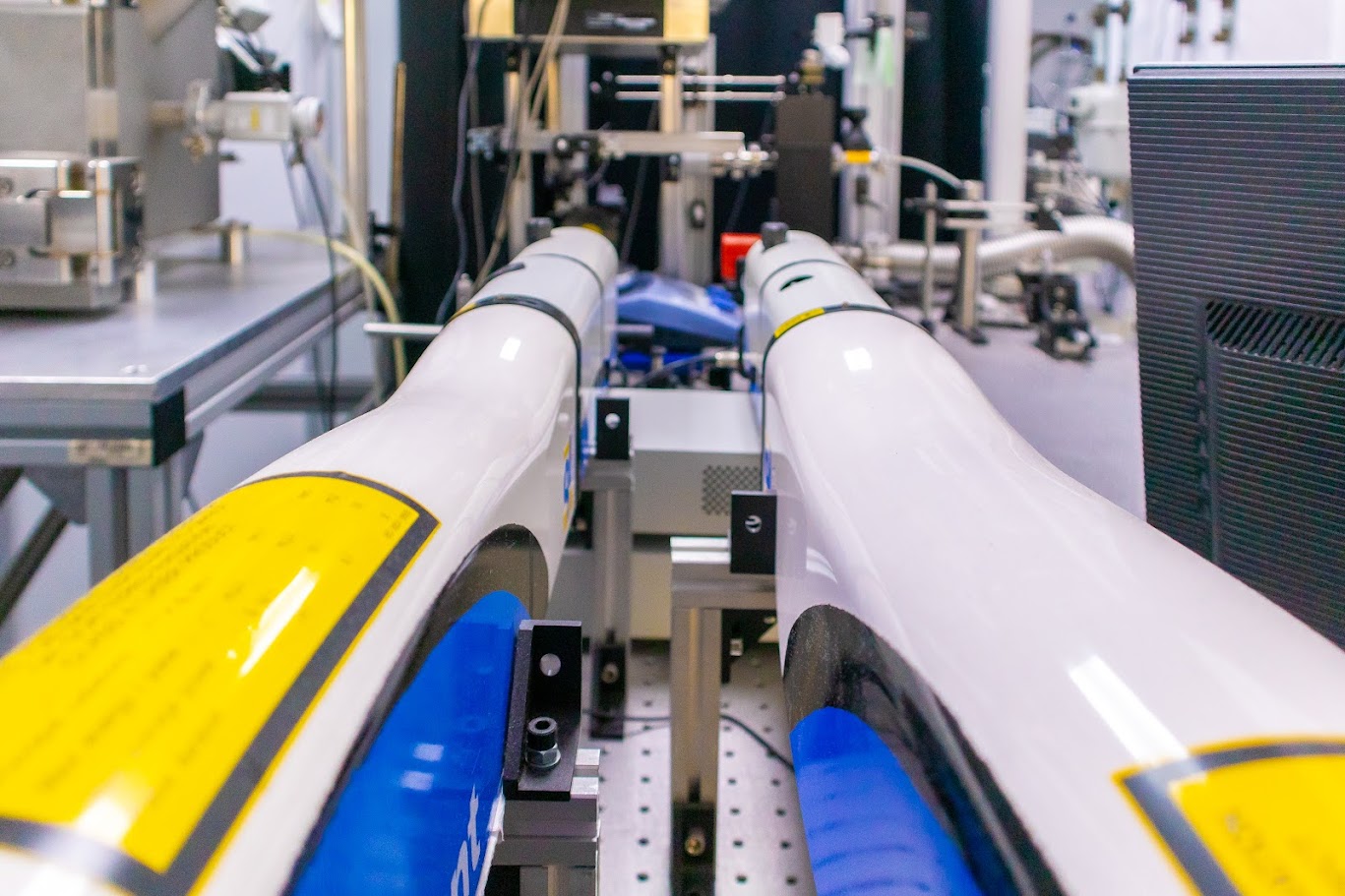
Laser Lab at ICMAB | ICMAB-CSIC
FOTOPINVER: organic photovoltaics in greenhouses
The FOTOPINVER project "Development and scaling of organic photovoltaic modules integrated into low-density polyethylene for greenhouses" will focus on developing a new generation of organic photovoltaic (OPV) films integrated into agricultural plastics for greenhouses, capable of generating electricity without affecting crop growth.
The project includes the validation of the lab results in an experimental greenhouse in Almería at the end of the period. Its aim is to address one of the main challenges of modern agriculture: producing more food with fewer resources in a context of high energy costs and water scarcity.
This initiative combines the scientific expertise of CSIC researchers with the innovative approach of Solaris Vita to bring organic photovoltaics closer to the agricultural sector. The goal is to drive solutions that foster energy transition, sustainability, and the competitiveness of Spanish agriculture.
“The project represents a key step in bringing organic photovoltaics from the laboratory to the field. Our goal is to enable farmers to generate their own energy without compromising the productivity of their crops, making greenhouse technology more accessible and promoting a more efficient use of resources" adds Miguel Iglesias, founder and CEO of Solaris Vita.
"From my point of view, it is important to highlight that this initiative is a true collaboration between industry and three CSIC research groups: the group of David Amabilino at (SUSMOSYS at ICMAB), dedicated to the synthesis of organic semiconductors; the group of Jaume Martínez (at IBMCP), which investigates how different light spectra affect plants; and my group (NANOPTO at ICMAB), which develops organic solar cells. This project builds on the legacy of the SYNATRA project, taking its outcomes one step further" says Mariano Campoy-Quiles, ICMAB-CSIC researcher a the NANOPTO group.
The project is led by Solaris Vita, a technology company specialized in organic photovoltaics (OPV) for agriculture. Its mission is to integrate energy generation into greenhouses through lightweight, flexible, and crop-adapted panels, reducing energy costs and improving farmers’ profitability.
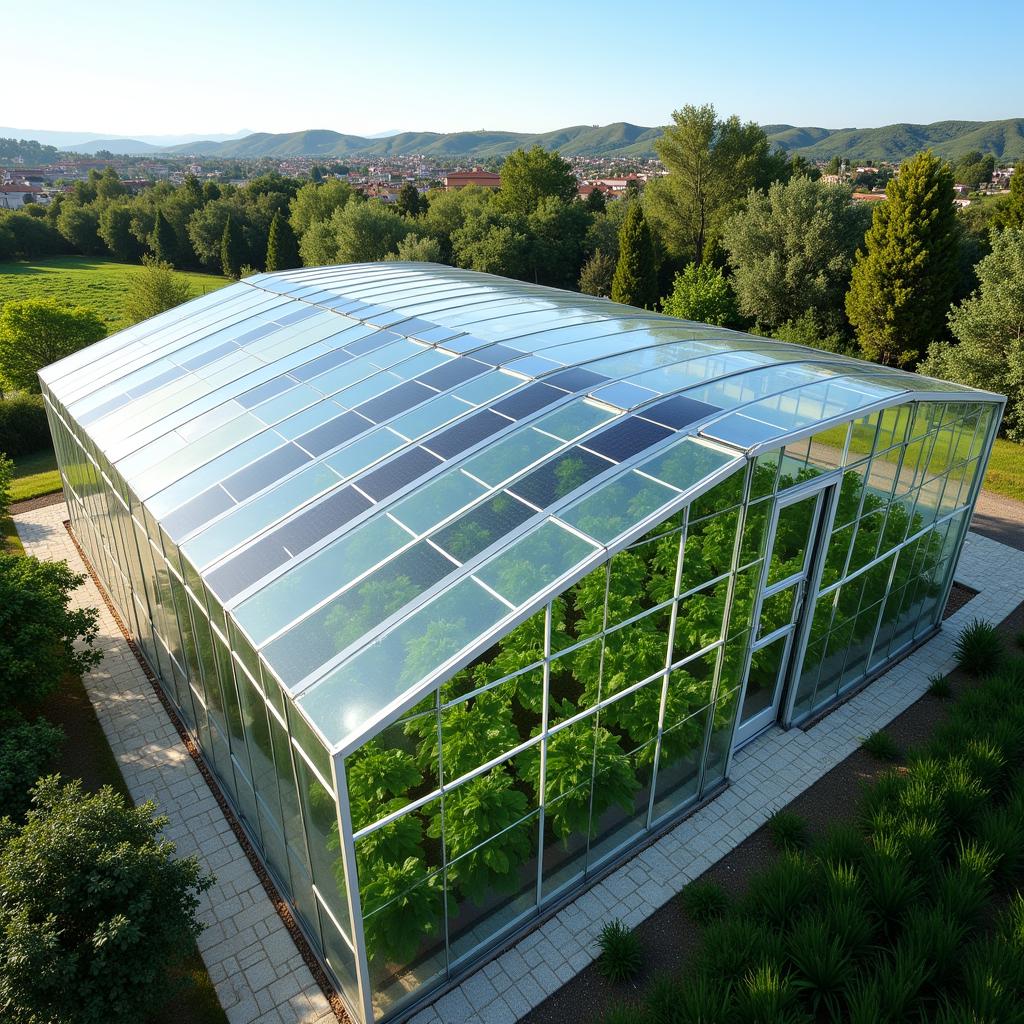
AI generated image of a greenhouse with integrated organic photovoltaic cells on its roof
About the Public-Private Collaboration projects' call
Spain’s Ministry of Science, Innovation and Universities announced the provisional resolution of the 2024 Public–Private Collaboration (CPP) call on July 2025, allocating €245 million to 256 joint innovation projects.
Of these funds, €135 million is structured as loans, €79 million as grants, and €31 million as pre-payments from the European Regional Development Fund (FEDER). The funded initiatives span key areas: health (98 projects), food and bioeconomy, agriculture and environment (56), industry (40), and energy and mobility (33).
The majority of awards went to SMEs (250 projects), followed by foundations and consortia (190), universities (141), large companies (82), and public research organizations (50). Notably, Catalonia leads the regional ranking with 254 beneficiary entities, ahead of Madrid (132) and Valencia (69).
Projects CPP2024-011776 and CPP2024-011571 funded by:

Read more
CPP Project Resolution: CPP2024_PRP_WEB.pdf