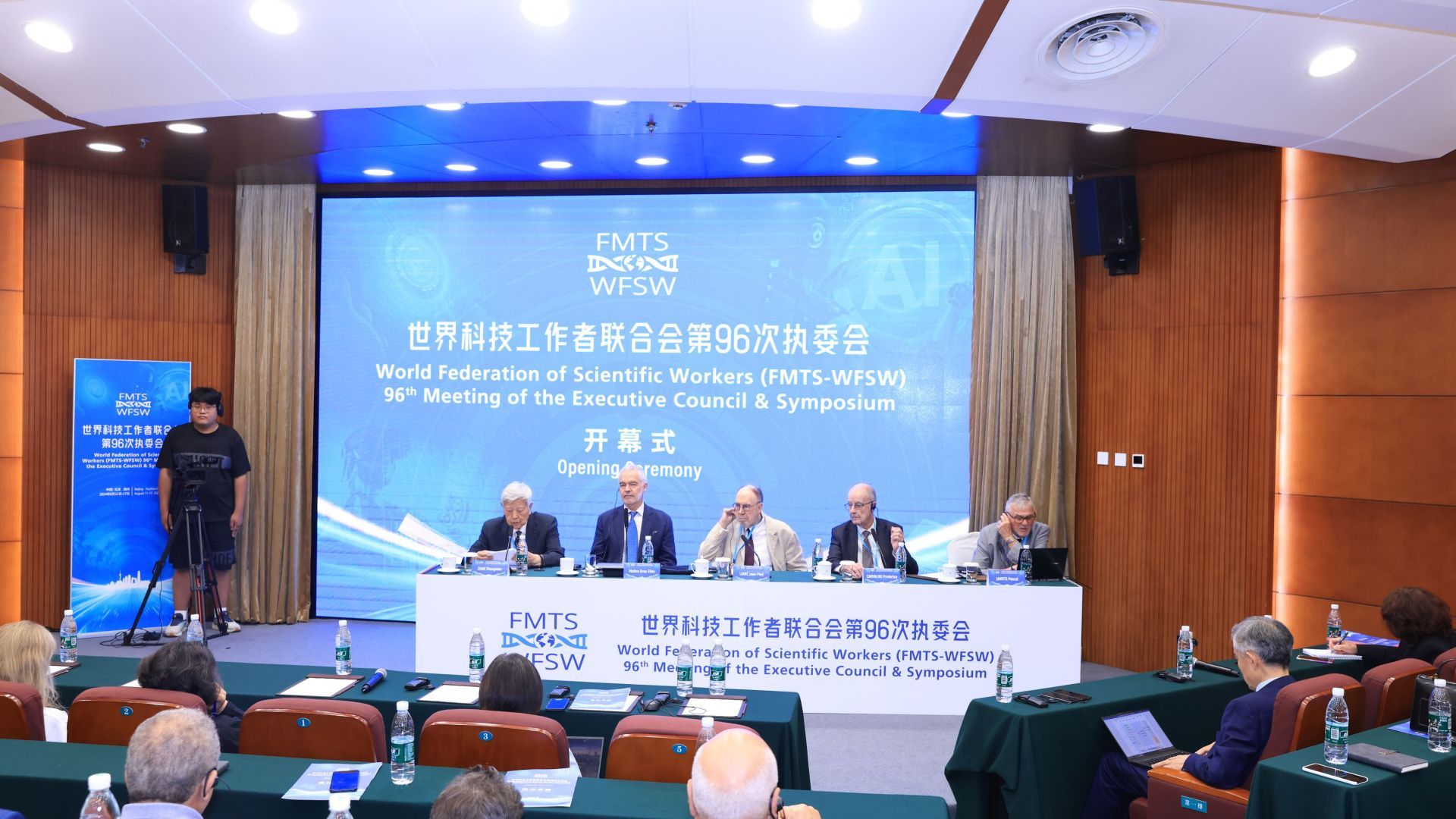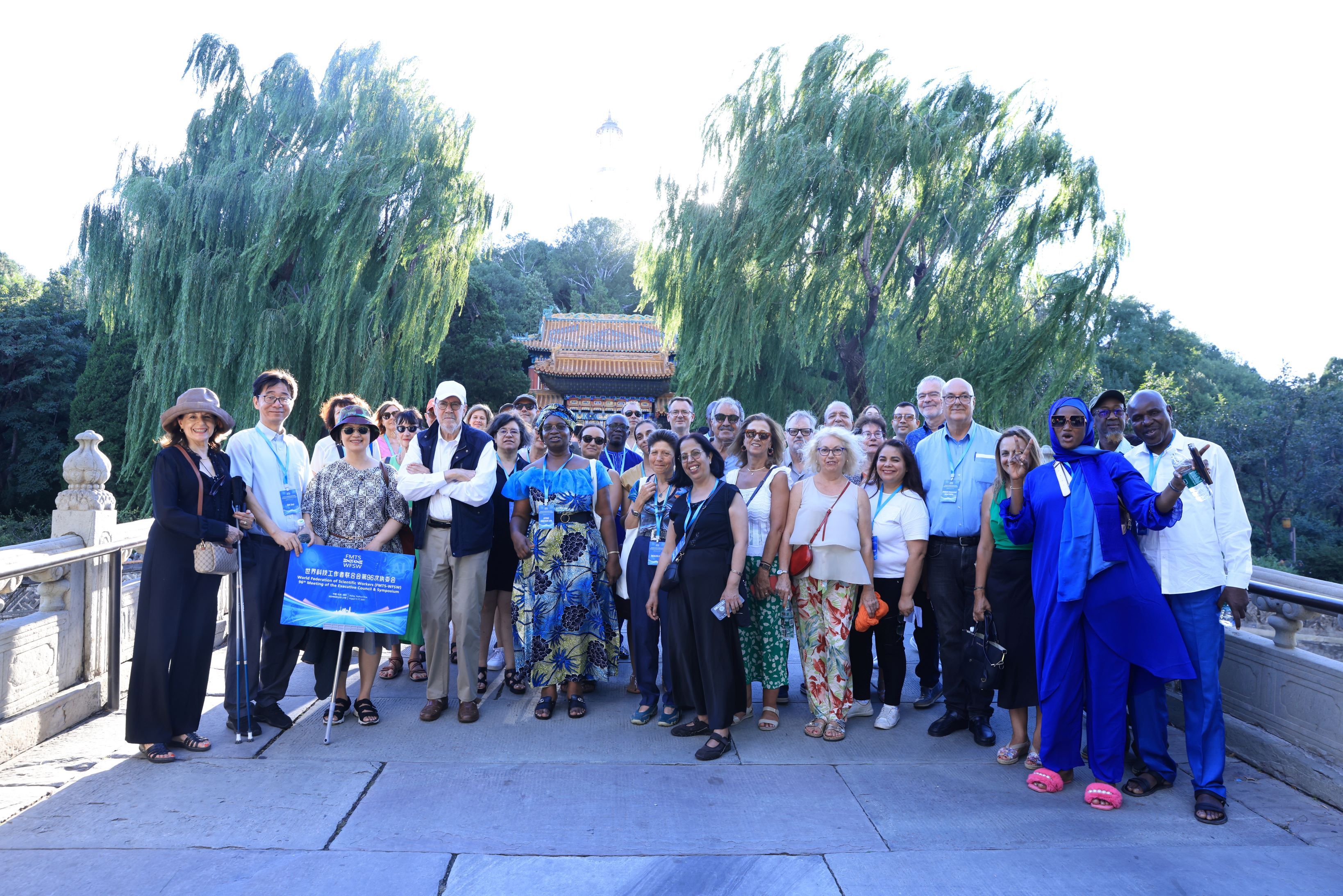
From 11th to 17th of August, general meetings and meetings of the different WFSW working groups were held. Its members also participated in the International Green and Low-Carbon Innovation Conference, with an Opening ceremony that included a talk by Elies Molins.
During the event, they were welcomed by He Junke, General Secretary of the
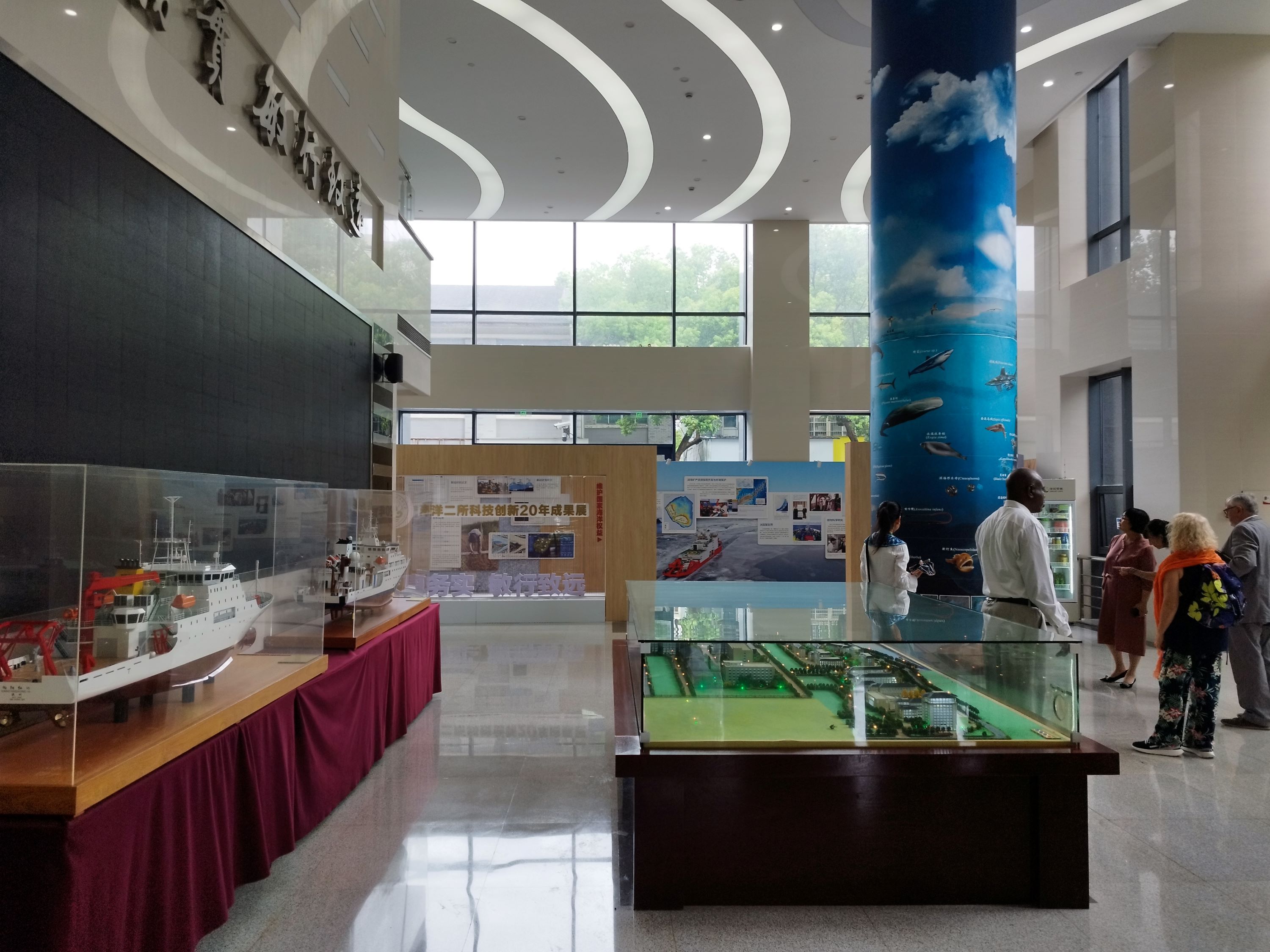
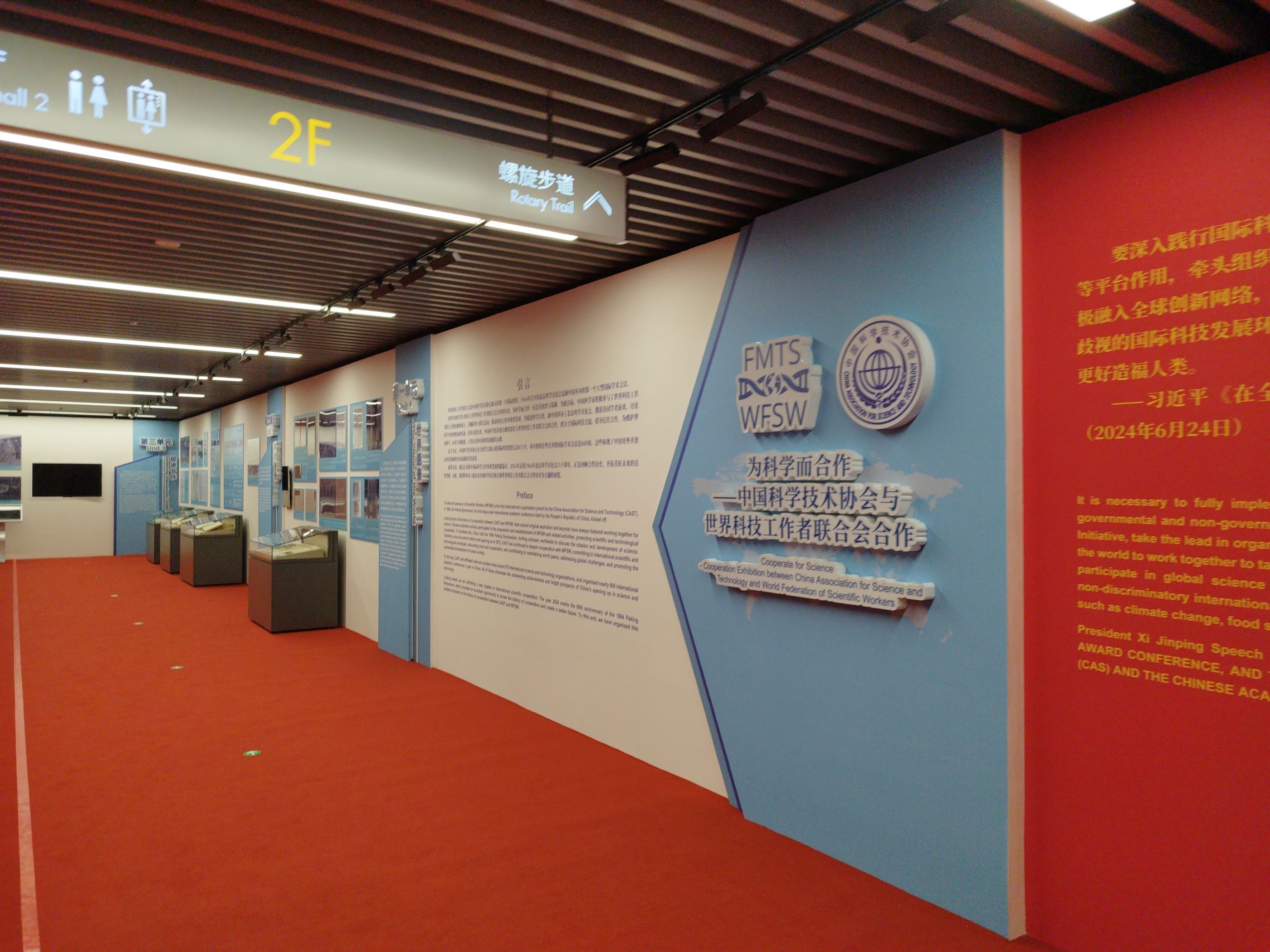
China Association for Science and Technology (CAST), one of the WFSW affiliated members, and visited various research centres as the Second Institute of Oceanography, the Zhejiang Association for Science and Technology, and the China Science and Technology Museum. An exhibition about the 80-year collaboration between CAST and WFSW was also inaugurated during these days.
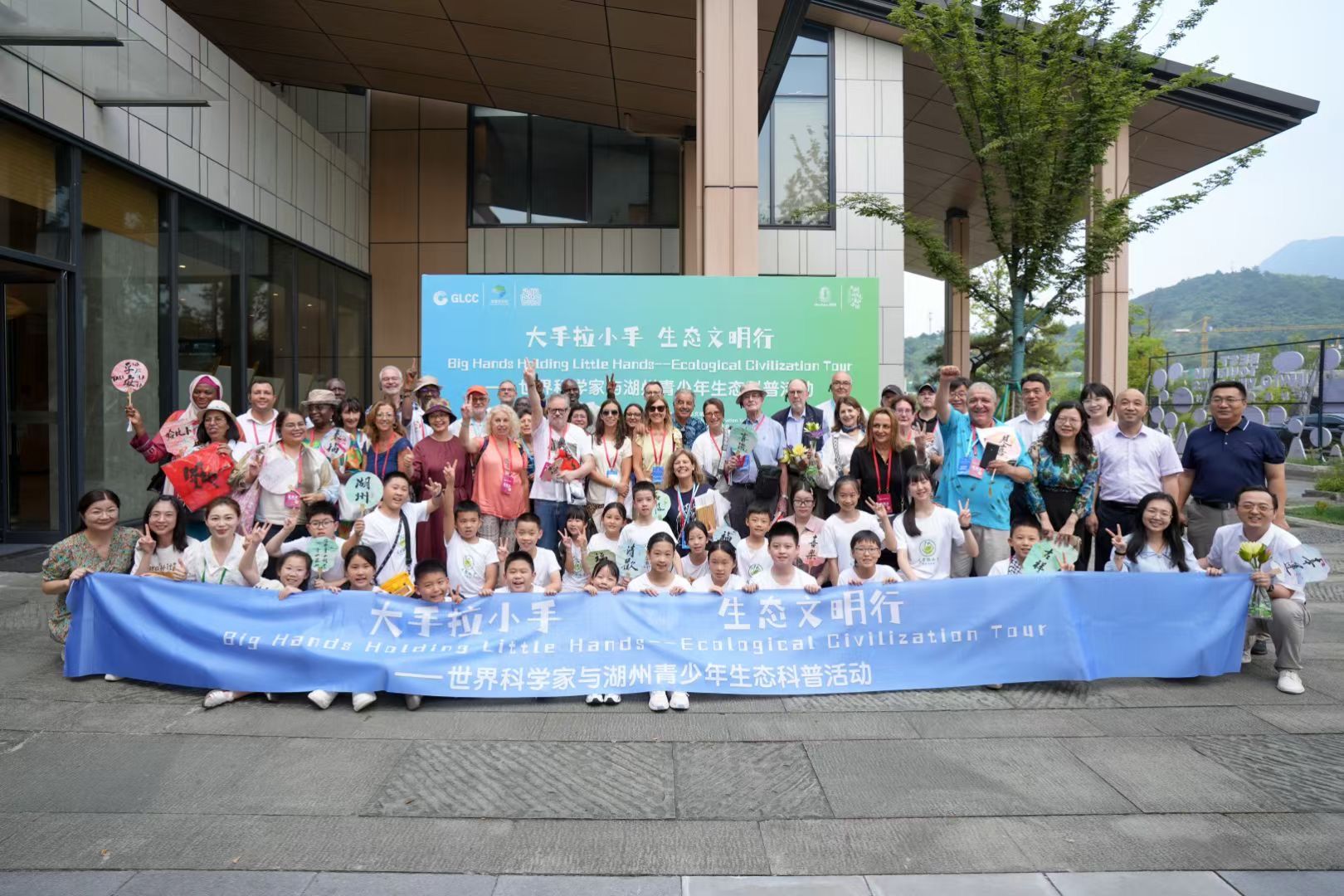
Finally, hosted by the oceanographer Han Xiqiu, CAST representative in WFSW, some Executive Council members participated in the 4th edition of the outreach activity ‘Big Hands Holding Small Hands’.

About the WFSW
The FMTS-WFSW is an NGO founded in 1946. It was created by a group of high-level scientific personalities and the British Association of Scientific Workers, with the Nobel Prize Frédéric Joliot-Curie being its first director. Created after the WW II, in its first years one of the main concerns were the nuclear weapons. The WFSW exerted key political pressure against their use during the Cold War years.
Currently, the WFSW is composed of associations, trade unions and individual scientific personalities. Partner of the UNESCO, it still aims to bring science and technology at the service of the well-being of humanity: “
Today scientific knowledge has become decisive in most human activities. Scientific workers, men and women, whether they are researchers, teachers, engineers or technicians, are increasingly challenged about their responsibility for the impact of their knowledge and research on the future of society and sustainability of its development. Faced with the feeling that science is all-powerful in both a positive and negative sense, we assert that the orientation of the development of society is not a purely scientific matter” states the
‘Identity’ section in its webpage.