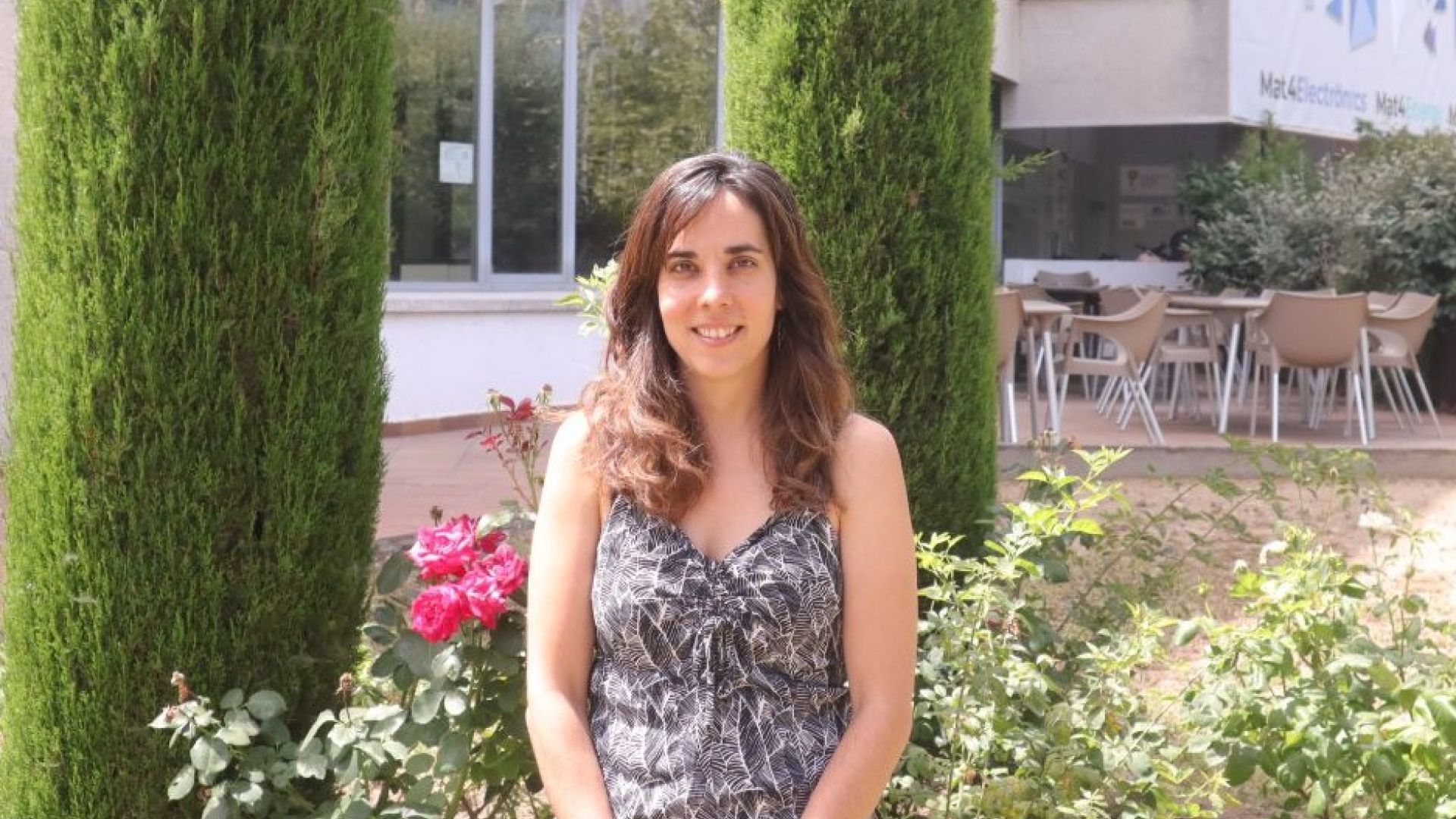
What did you study? Where did your interest in science communication come from?
I am a biologist by training and hold a PhD in Biomedicine. I followed the academic career path until about four years ago. During my fifth year as a postdoctoral researcher in the United States, I realized that I was more attracted to writing science communication articles for my science blog or for the newspaper ARA than to reading the latest scientific papers in my field.
At that time, I was also participating in a science podcast with other researchers, and I enjoyed preparing the topics and background materials for the episodes much more than writing my own scientific papers or reviewing research projects.
That was when I understood that I did not see myself pursuing a career as a principal investigator. So I decided to enroll in a postgraduate program in science communication to find out whether this interest was truly my path. So far, I have not regretted it.
You have a personal project, the portal 7ciències.cat. Could you tell us a bit about it?
When preparing science communication materials, I often found myself reading science articles in English or Spanish and wondering why it was so difficult to find similar content in Catalan. Since I have always enjoyed writing and was already running a blog, I began considering the creation of a science communication portal that would function as a specialized science media outlet in Catalan, allowing people to read about and stay informed on scientific research.
I decided to create it as my final postgraduate project and continue developing it afterward. The goal was to help disseminate scientific news in Catalan, but also to bring science closer to the general public through broader sections such as art and science, history of science, and interviews.
Over time, the project has evolved into a multi-format initiative that produces different kinds of science content. In addition to written articles, I have produced audiovisual capsules and currently direct and host the radio program Digali Ciència on RTVE-Radio 4. This experience has allowed me to explore different languages and channels for communicating science to diverse audiences.
How did you learn about the ICMAB Journalist in Residence initiative?
I saw it on social media, although I do not remember exactly where.
What caught your attention about this proposal? What interested you most about participating in this program at ICMAB specifically?
I was particularly attracted by the opportunity to meet researchers from a field outside my area of expertise, establish new connections, and expand my professional network. I believe that stepping outside one’s comfort zone is one of the best ways to learn, discover new perspectives, and build new projects.
In addition, getting to know firsthand the projects being developed and the people leading them will allow me to identify new topics and stories to cover in the future through 7Ciències and the media outlets I collaborate with. In fact, one of my priorities during this residency is to discover emerging research lines and innovative initiatives that could become engaging science communication content for the general public.
What has surprised you most about your stay at ICMAB?
What has surprised me is that, despite being a research center focused on “fundamental” science—and although I arrived somewhat worried about whether I would understand anything—it is a place with enormous potential and with researchers who are very open to making things accessible and who have a genuine interest in communicating their work.
When I was doing my PhD, there was not nearly as much interest in outreach, and I am glad to see that things are changing.
What are you taking away from this experience on a personal and professional level?
I am leaving with an address book full of new contacts, a wealth of ideas and scientific topics to explore, and the satisfaction of having closely experienced a center of excellence such as ICMAB.
Above all, however, I am taking away the human connections—people with whom I hope to continue collaborating and sharing projects in the future.
How do you see the future of materials science research? What do you think are the major scientific challenges in this field?
As I mentioned earlier, I have discovered that materials science, when explained well, is a discipline with far greater impact and many more applications than most people imagine, and it has tremendous potential.
As for the major challenges ahead, there are many, but I would probably highlight the development of new materials that can help make a truly sustainable energy transition possible. I believe that materials science will play a key role in the decarbonization of our society and in building a cleaner and more efficient energy model.
Could you give us a preview of what your final journalistic piece will be about?
It has been challenging because I initially wanted to focus on just a few topics. In the end, I decided not to do that and instead chose to write a first-person summary article that weaves together my experience at the research center with several of the research projects being carried out here that I consider especially promising because of their potential future impact on society.
However, this article is only a starting point, which is why I will ultimately make it more general in scope. The visit has left me with many ideas and topics to explore, so I can already tell you that this will be the first in a series of pieces that will take a closer look at some of the research lines and projects I discovered during my time at ICMAB.
We are very happy to have hosted you at ICMAB during your stay.
Best of lucks in your future!