


Outreach News
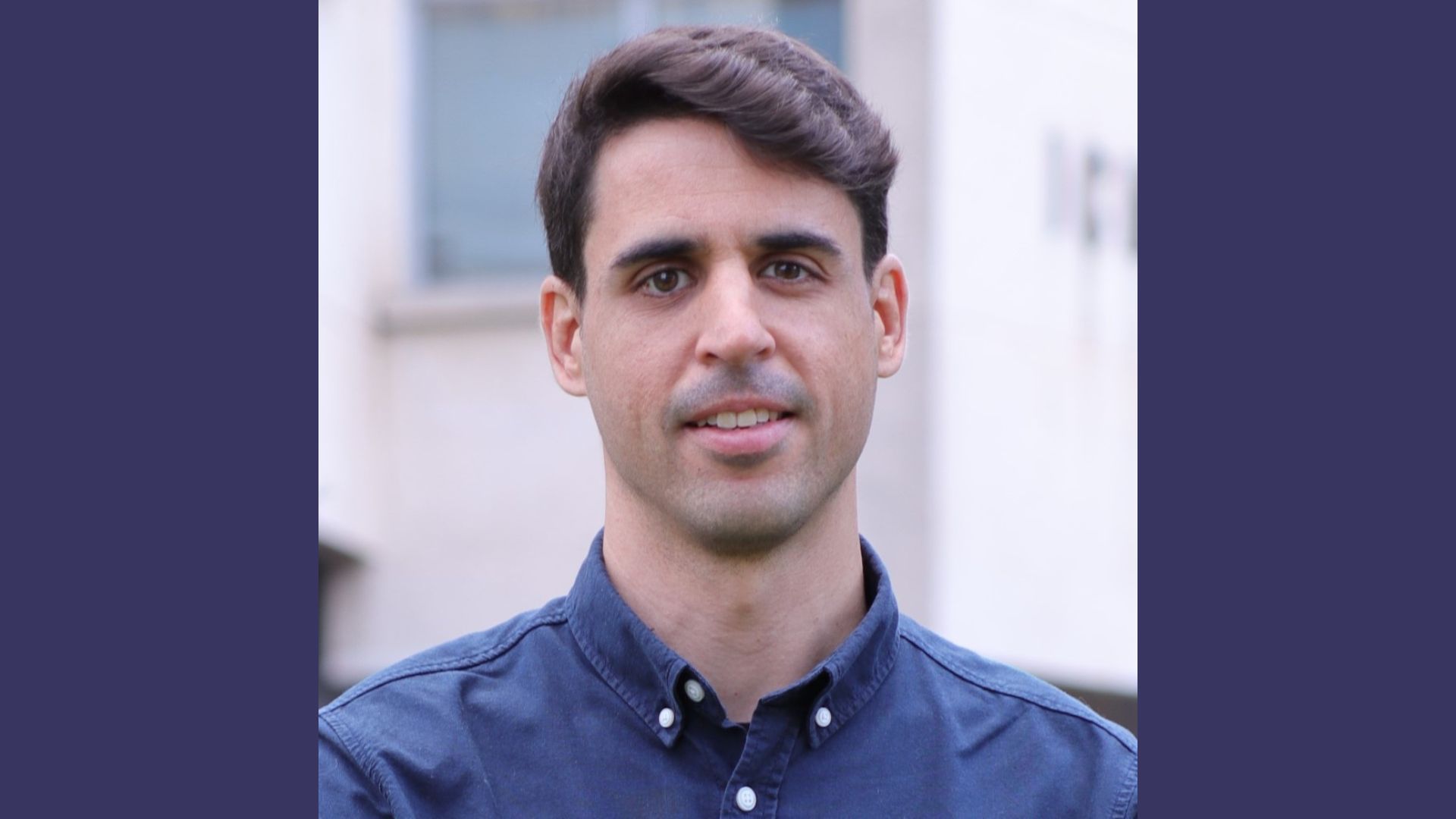
En memòria de Roger Guzmán Aluja, investigador de l’ICMAB
Avui, 1 d’octubre de 2026, hem rebut amb consternació la notícia de la mort del nostre company Roger, als 41 anys
Trajectòria científica
El 2019 es va incorporar a la UCAS, a la Xina, on va ampliar la seva recerca als materials bidimensionals i a tècniques d’avantguarda com la 4D-STEM i l’EELS vibracional. El 2023 va tornar a l’ICMAB com a investigador permanent. Al llarg de la seva trajectòria, va publicar més de 50 articles, entre els quals hi ha dos articles publicats recentment a la revista Nature Materials.
El Roger va arribar a l'ICMAB quan es buscava un doctorand per fer la tesi en microestructura de superconductors; va aparèixer ell, geòleg-cristal·lògraf inquiet, a qui no feia por explorar altres terrenys més enllà del que havia estudiat a la facultat. Tots vam apreciar-lo per la seva humilitat, discreció i inquietud honesta. A la Xina, en un entorn científic ric i potent, va demostrar la seva increïble vàlua. Tot i els seus èxits en la recerca, seguia sent la mateixa persona humil i discreta. Sens dubte el Roger hagués enriquit sanament aquest centre nostre, científicament i humananament.
Aquells que vam tenir la sort de conèixer-lo i treballar amb ell el recordarem com una persona afable i càlida, i alhora profundament entusiasta. Era un amic i company generós, amable, proper i molt estimat. A l’ICMAB, exercia com a Investigador Permanent, iniciant una carrera científica independent molt prometedora i participant activament en responsabilitats compartides, com ara la coordinació de les instal·lacions de microscòpia electrònica. La seva pèrdua ens afecta profundament, tant a nivell personal com professional.
Gràcies per tot, Roger. Et trobarem molt a faltar.
******
Scientific trajectory
In 2019, he joined UCAS in China, where he expanded his research into two-dimensional materials and cutting-edge techniques such as 4D-STEM and vibrational EELS. In 2023, he returned to ICMAB as a permanent staff member. During his trajectory, he published more than 50 papers, among them two articles lately published in the journal Nature Materials.
Roger came to ICMAB when we were looking for a PhD student to carry out a thesis on the microstructure of superconductors. Then he appeared: an inquisitive geologist-crystallographer who was not afraid to explore new territory beyond what he had studied at university. We all appreciated him for his humility, discretion, and genuine curiosity. In China, in a rich and dynamic scientific environment, he demonstrated his remarkable abilities. Despite his achievements in research, he remained the same humble and discreet person. There is no doubt that Roger would have enriched our centre in many positive ways, both scientifically and as a human being.
Thanks for everything, Roger. You will be deeply missed.