


Specifically, Impulsa-T supports projects with strong transfer potential that are in the early stages of technological maturation, providing resources to advance towards commercial validation and the creation of spin-offs. A key requirement is a clear market applicability and commercialization orientation for the technology.
In this second edition, the project Sublima2 - SUBLIMAtion technology for the creation of hybrid electronic DispOSitives , led by Prof. ICREA Núria Aliaga Alcalde, and with the participation of Arántzazu González Campo, Daniel Herrera, Coral Herranz Lancho, Rossella Zaffino and Gerard Felipo Esteve, and with the support of EURECAT, and the industrial partners Helium3 i FlexiiC has been selected as one of the ten projects to receive €50,000 to develop the technology further and bring it closer to the market.
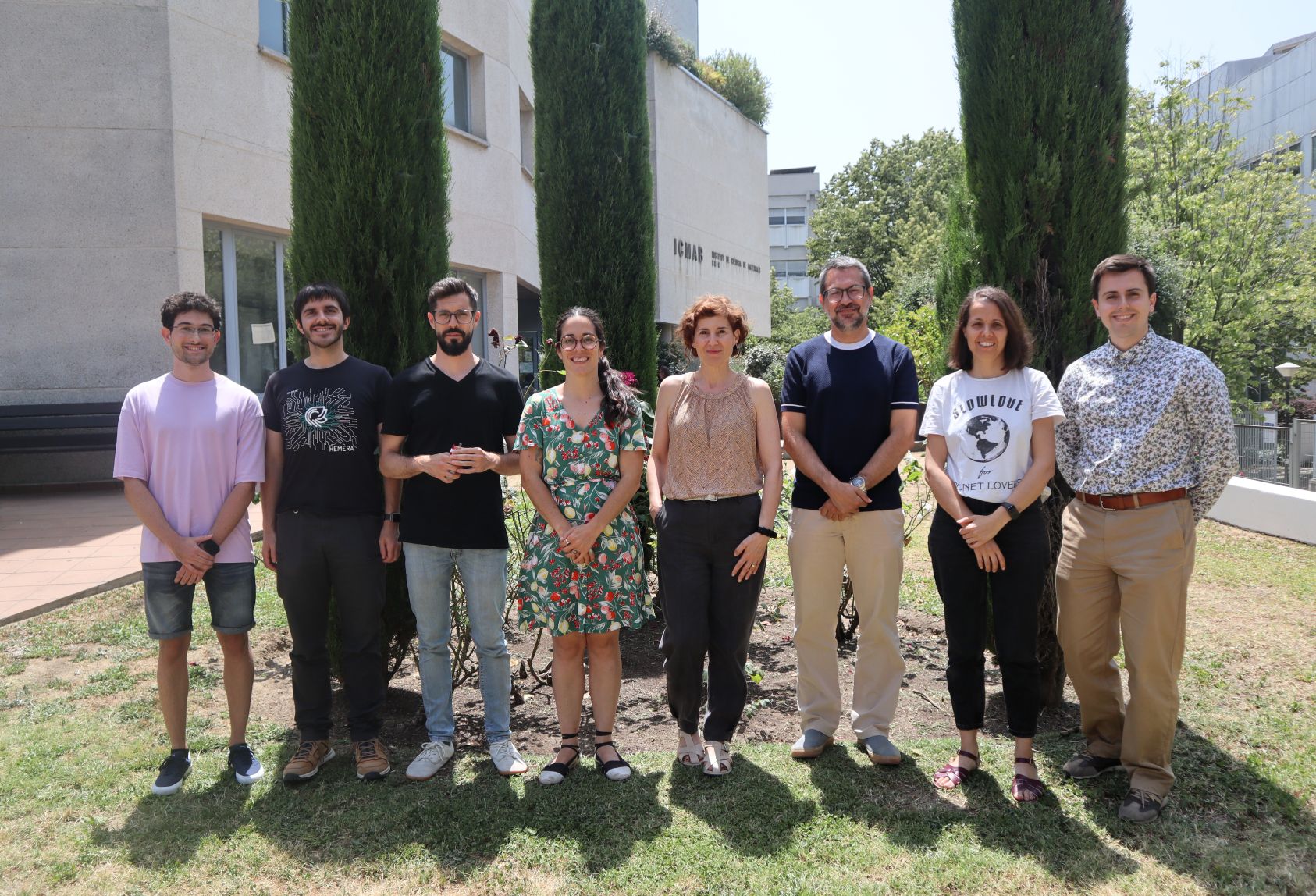
Sublima2 project team. From left to right: Gerard Felipo Esteve, Gerard Albujer, Daniel Herrera, Coral Herranz, Núria Aliaga, Alfonso del Rey, Arántzazu González, Miquel Galindo | ICMAB-CSIC
“In our group, we had a clear vision of the next steps. This allowed us to quickly mobilize the Impulsa-T resources to avoid wasting even a minute in advancing the maturity of this technology,” says Aliaga-Alcalde.
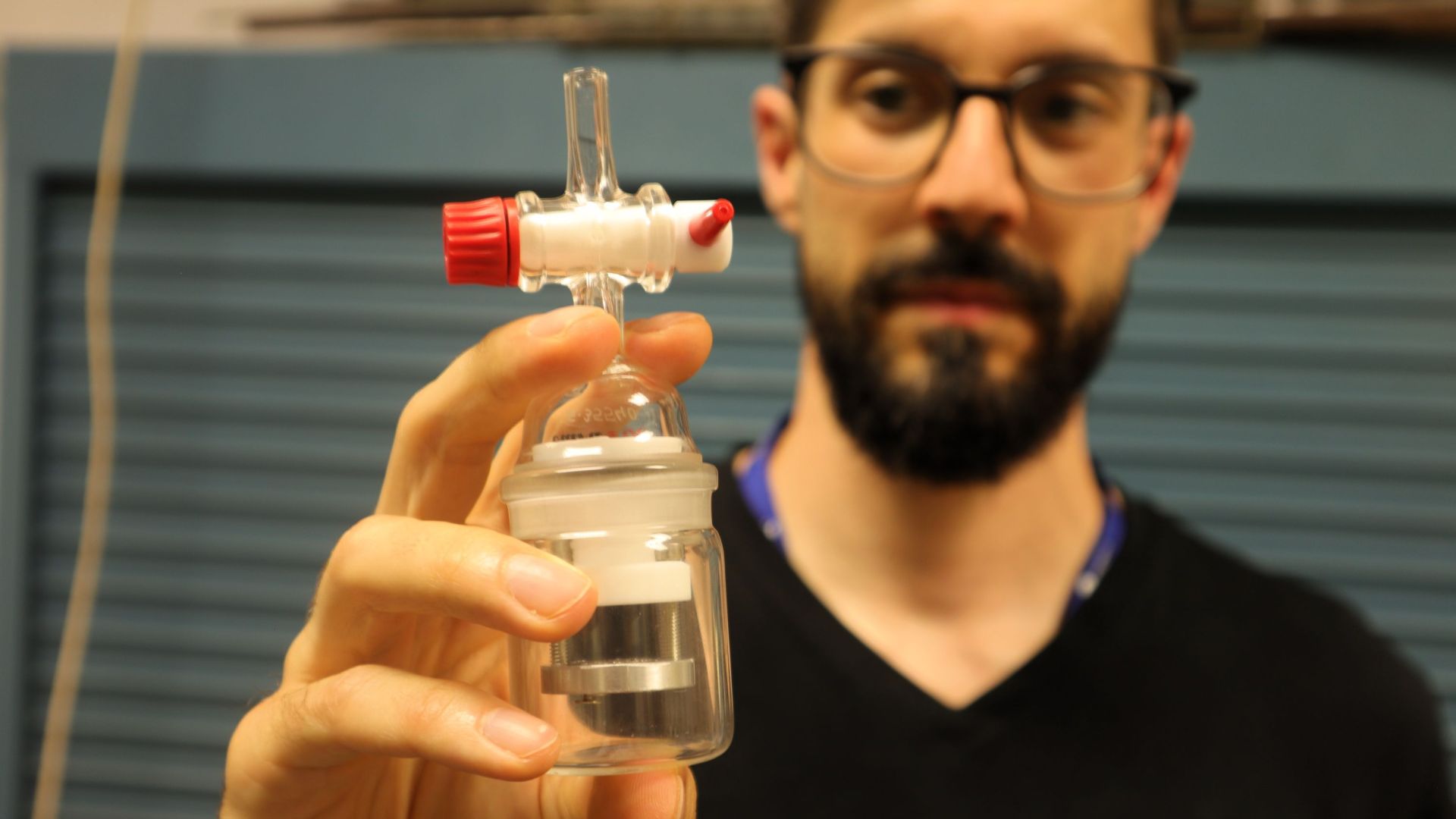
The project proposes an innovative device capable of depositing organic molecules directly onto the substrate of interest for study. This solution aims to promote easy access to on-surface R&D, creating new devices to address the limitations of current equipment, which is often expensive, complex, and inefficient, and to contribute to a more efficient and affordable green transition.
The device is intended to accelerate R&D processes by enabling rapid testing of different materials and molecular combinations, thus more efficiently identifying the best candidates for specific applications—saving both time and money.
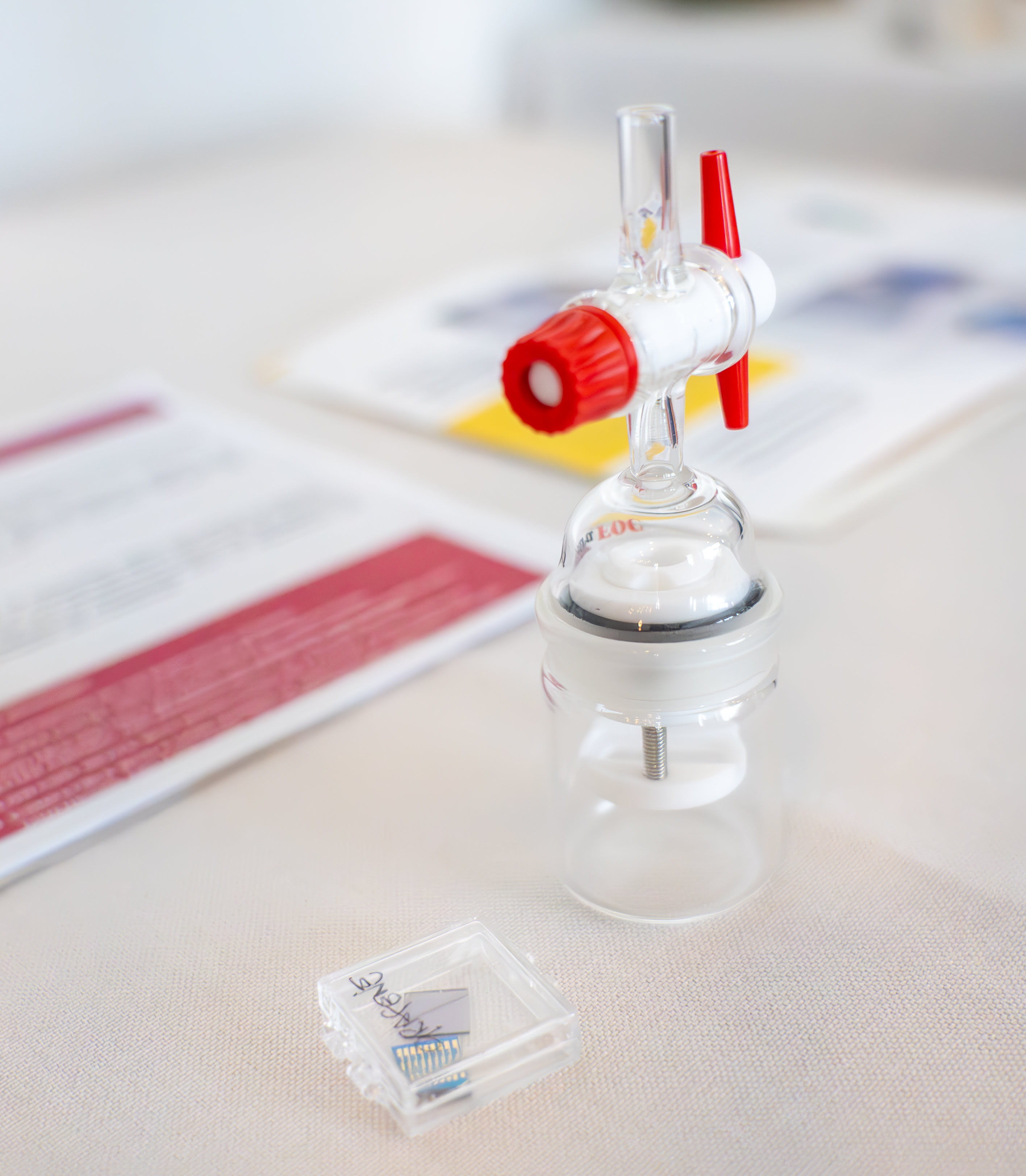
Sublima2 device capable of depositing organic molecules directly onto the substrate of interest for study | ICMAB-CSIC
In doing so, the project seeks to contribute to eco-friendly organic electronics, with applications in sensors, displays, and solar cells, using a sublimation-based methodology that avoids the use of solvents and aligns with European green standards.
With the financial and technical support of the programme, the project will move forward with commercial validation and prototype development.
This achievement reflects the joint work of the entire Functional Nanomaterials & Surfaces group, which, in alignment with ICMAB’s commitment and with the support of the Transfer Unit—Alfonso del Rey, Gerard Albujer Bascompte, and Miquel Galindo—is driving innovation with a positive impact on society.
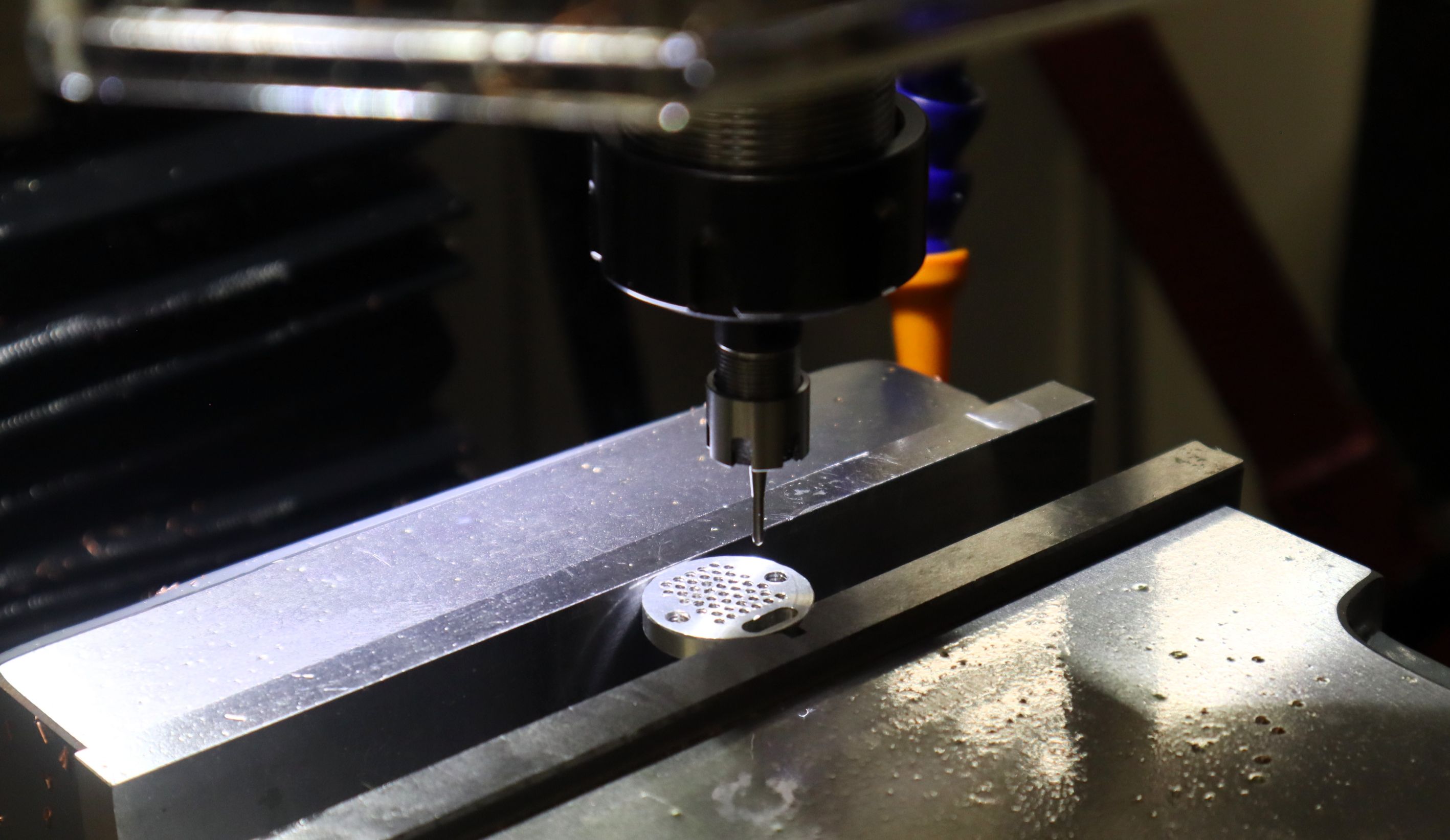
The Prototype Lab project has collaborated in the Sublima2 project with the design and fabrication of some pieces | ICMAB-CSIC
>> Read more:
CSIC IMPULSA-T | Converge (CSIC)
ICMAB showcases SUBLIMAT: A cutting-edge Vacuum Sublimation Device at Science4Industry 2025 (ICMAB)