AGAUR - Generalitat de Catalunya
- Hits: 233
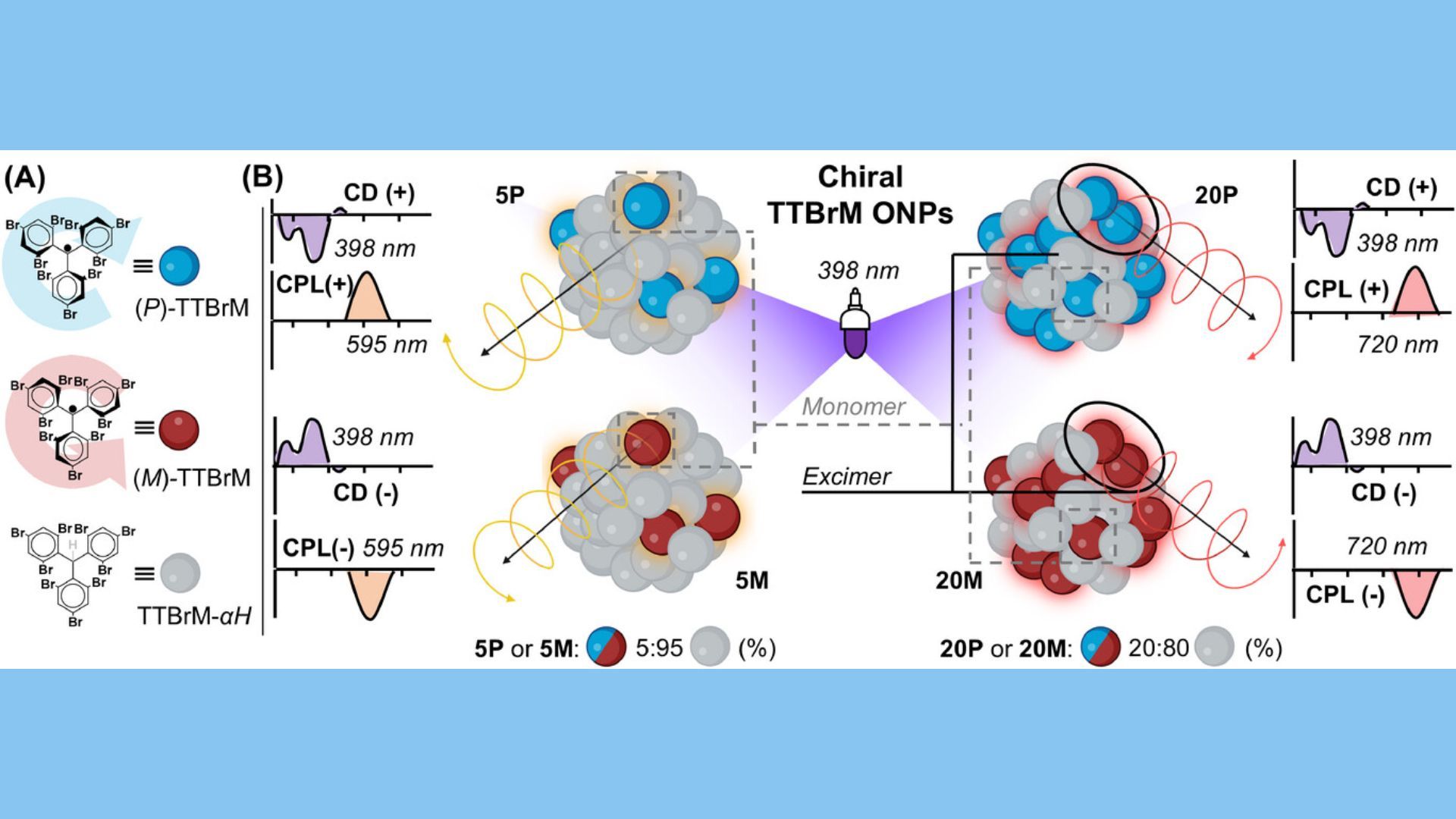
ICMAB researchers report new trytil based nanoparticles which are intrinsically chiral excimers This study was featured on the back-cover of the journal Small
ICMAB established an internationally respectable leadership position in the field of clean energy transition, in particular, for contributions in:
While massive photovoltaic (PV) deployment is required, the development of clever technologies that can minimize competition with terrain use (i.e. beyond solar farms) will be necessary (e.g. integrating PV in existing infrastructure and buildings or sharing the land with agriculture). Materials based on earth-abundant elements (oxides and organic semiconductors) will be used and their optical properties will be engineered to tailor the response for selected applications. For instance, the bandgap of these materials can be chemically tuned (for multi-junctions or selective harvesting). Fundamental understanding of aging mechanisms (e.g. evolution of the donor:acceptor microstructure) will be explored using customized XRD Micro Probe System.
New 3D architectures (flexible ultrathin films featuring engineered photonic, magnetic or ferroelectric response) will be developed via scalable nanofabrication techniques to provide novel pathways for light harvesting devices enabling a range of new applications.
Heat is a source of energy coming at very different temperatures and heater shapes, requiring specific point-of-harvest technologies. We will tackle the heat challenge by: i) using thermal anisotropy to improve heat management, investigating quasi-2D systems, such as polymeric thin films, where heat transport can be enhanced by controlling molecular orientation and geometric anisotropy, to dissipate heat from electronic devices more efficiently.
Materials should have high thermal conductivity (at least in certain directions) but not be electrically conductive, as otherwise, they may lead to shortcuts in the circuits. ii) achieve efficient (low temperature) heat to electricity conversion by combining anisotropic thermal properties with advanced doping methods to decouple thermal and electronic transport. Hybridizing thermoelectrics and magnetocaloric systems will also be investigated for wireless charging solutions for powering implantable medical devices. iii) materials capable of heat transport dynamically modified by means of a fast external field (e.g. magnetic, light, etc.) to demonstrate novel phononic device concepts.
EES is key to efficient and large scale deployment of renewable energies, Li-ion batteries leading the way. However, there is strong pressure on raw material cost (e.g. 10-fold increase for LiCO3 for less than 0.2% of electric vehicles today). The ever growing variety of applications (grid, Internet of Things etc.) will worsen the situation. Sustainable and low cost alternatives are urgently needed. Our fundamental understanding of redox and interfacial processes will enable high capacity, sustainable and low cost anodes (Zn, nanostructured, surface engineered Si and new metal alloys), and polyoxometalates as alternatives to vanadium (a critical raw material) in redox flow batteries. Redox mechanisms at atomic level for organic, Prussian blue analogues, MnO2 or blended cathodes will be investigated aiming at enhanced reversibility, hence lower cost per cycle. The use of a large variety of operando techniques (including synchrotron based ones) will be of particular help to such purposes. Our alliance with the ALBA synchrotron is particularly promising for this research, and ensures its viability. Finally, high power supercapacitors based on composites oxide nanoparticles and doped nanocarbon produced at competitive costs by advanced laser processing will also be investigated.
Green fuel production, particularly hydrogen, is an important part of the new RePowerEU plan aiming at replacing almost 10% of Russian gas consumption with hydrogen power. However, achieving cost effective green fuel production remains a challenge and effort within Matrans42 will be dedicated towards the development of novel low cost, highly stable and efficient (photo)catalysts for alcohol reforming, water electrolysis and splitting using sun light. In particular, thin films or nanostructured composites based on aerogel/lyogels, graphene based materials, metal-organic-frameworks (MOFs) and non-noble-metal glasses or oxides nanoparticles (such as Ce-Al-based and Ti-based metal glasses, TiO2, ZnO, graphitic C3N4, etc.) will be explored. New synthetic methods such as high-power laser-induced crystallization in liquid media and supercritical CO2 will be used targeting low moderate production costs and optimum catalyst stability. Finally, multi-functionalized 3D graphene oxide aerogels will also be used as a catalyst for hydrodeoxygenation (HDO) reaction of CO2 or bio-oil (derived from biomass) to produce valuable fuels. Enhanced process sustainability will be achieved by adding functionalized MOFs capable of in-situ production of H2 (necessary for the HDO).
High-temperature superconductivity (HTS) will provide zero emission targets by enabling fusion power, expanding renewable energy and facilitating zero emission transport. To deploy these technologies, we need R&D in HTS, from materials fabrication to their customization for integration into devices. The challenges we foresee are i) Generate fundamental knowledge of the transient liquid assisted growth non-equilibrium ultrafast growth process (made in ICMAB), as a game-changer for high-throughput HTS nanostructured materials, with ALBA synchrotron's newly developed in situ synchrotron platform and machine learning optimisation approaches, with the idea of transferring this technology to industry; ii) Investigate the physics of vortices under extreme conditions (magnetic field, frequency) and their impact on mechanical-electrical-thermal properties (simulations and tests) to fill the knowledge gap and enable HTS materials for large-scale energy-efficient applications in fusion, power transmission and high energy physics, fostering existing collaboration with key research infrastructures (CERN) and industries.
Research in electronics, both based on molecular and oxide materials, has been a main pillar of research at ICMAB since its foundation. Some of the internationally recognised and prestigious researchers who pushed this research work, are already retired. However, in the last 10 years the research line has been continuously reinforced with younger researchers, who are already consolidated and leading this research.
Multicomponent organic materials for electronic functions are an emerging area of research. While commonplace in photovoltaic cells, most devices are single component. The combination of materials will translate into new functionalities. We will tailor molecular materials, through molecular design and synthesis, variation of composition and structure, and judicious choice of processing. Unique large area thin films of charge transfer materials (explored so far mainly as single crystals) will be prepared. The resurgence of interest in these materials for technologically important applications, such as NIR photodetectors, is also promising for new devices for photothermal conversion or ferroelectrics. We will exploit interface engineering, doping, efficient exciton separation and device performance enhancement.
We aim to invent a new generation of sensors and quantum devices by engineering heterostructures with unconventional merging of functional materials. Devices based on the synergetic combination of oxide ferromagnetic-, antiferromagnetic (AFM), -Ferrimagnetic or -Superconducting (SC) materials will be investigated. AFM in spin-orbit-torque architectures will boost density and speed in logic and memory applications, due to its intrinsic insensitivity to spurious magnetic fields and THz dynamics. Merging SC and spintronics opens a rich perspective of new physics with the potential to achieve dissipationless quantum coherent transport in SC spin-based devices. Moreover, we will explore use of tailored high temperature SC and new material heterostructures to improve performance of specific sensors with operation temperatures above liquid helium, focusing on single photon detectors made of nanowires.
New computing paradigms will require low power use and high speed. The ferroelectricity of doped HfO2 and the tuneable ferrimagnetism of garnets in atomically sharp heterostructures are potentially transformative for non-volatile memory and logic. In HfO2, switching speed will be improved with epitaxial films, with greater endurance and retention. Dopants, defects and interface engineering will be used. For ferrimagnetic garnets, current controlled domain walls and skyrmions as potential binary memory and logic elements in racetrack-type devices are prioritised, focusing on interface engineering of perpendicularly magnetized rare-earth iron garnets to achieve Néel-type domain walls and skyrmions and their ultrafast displacement by spin-orbit torques in a nearly pinning-free medium. We expect computing devices operating beyond 1 GHz and ultralow energy consumption from these systems.
Understanding correlated and frustrated magnetic materials with complex states and transitions is key for the development of quantum physics applications. We aim at unveiling the symmetry and mechanisms of hidden orders, magneto-orbital phenomena, entangled states and excitations producing anomalous effects in non-collinear, molecular, degenerated and quantum magnets. We leverage ICMAB expertise in quantum beams (neutrons, photons and muons) and complex materials preparation to promote new international collaborations, including quantum many-body theorists. The brand new Spanish line for extreme conditions (T, H, P) at the Institut Laue-Langevin is a good opportunity to foster this challenge.
Curvature is ubiquitous at the nanoscale, either in suspended 2D layers or membranes. It can have a strong impact on materials properties, e.g., on the electrical (flexoelectricity) and magnetic degrees of freedom (flexomagnetism), or on charge and heat transport (electron-phonon interactions, phonon Hall). The fundamental physics of curvature is poorly understood at present; ICMAB is at the forefront of the theoretical research in this area and ideally suited to push the state of the art. As target systems we will study 2D crystals and oxide membranes. First-principles predictions will be supported by advanced experimental characterization tools, including high-resolution (scanning) transmission electron microscopy imaging and spectroscopy.
Materials research for health has a solid trajectory at the ICMAB with established internationally recognized researchers leading research at national and international levels and infrastructures such as NANBIOSIS ICTS. ICMAB capitalized on developing advanced, bioactive, and innovative materials and processes to produce them, tuning their properties, and applying them in drug delivery, cancer therapies, nanocarriers, and theranostics in collaboration with biomedical experts. Some selected activities are:
In the last five years, 247 scientific publications were reported by Research line (RL) members, which expand the range of materials used, such as curcuminoids, natural hydrogel polymers of bacterial cellulose, or PEG-based hydrogels and blending them with nanoparticles, and cells for health applications.
In 2019, RL researchers triggered a shared biological infrastructure (Bioservice) with the neighbor center (ICN2), and the incorporation of a technician in 2020 set the basis to perform cell and bacterial assays in a clean environment, allowing biological testing while increasing TRL and the translation potential of ICMAB biomaterials. ICMAB-CSIC is a partner of the OITB-Phoenix, constituted by eight private companies and three public academic institutions, for manufacturing nanomedicines under GMP.
The adhesion of microbes such as bacteria and viruses to surfaces and the emergence of antibiotic resistance (AR) is a global health emergency. It is estimated that about 1.27 million global deaths in 2019 were directly caused by antimicrobial resistance causes.18 The resistance of E. coli and Staphylococcus versus standard antibiotics is a major concern.19 AR reduces the drugs'effectiveness and treatment options (treatments for bacterial infections are limited, and antibiotics become less efficient) and increases infection spreading (resistant bacterial strains are transmitted and can become endemic), patient morbidity, mortality, and the total healthcare cost.
AR becomes critical when biofilms are formed on surfaces such as living tissues, wounds, medical devices, and water system piping, up to 1,000 times more resistant than planktonic bacteria, accounting for around 80% of chronic and recurrent microbial infections in humans. Silver-based products are the most used local treatments to prevent medical device-related infection but are hampered by costs, environmental concerns, and safety considerations. Moreover, its use is limited due to its toxicity, and silver-resistant bacteria and biofilms formation have been repeatedly observed. Therefore, there is an urgent need to develop new cost-efficient antimicrobial coatings with superior biocompatibility, improved antimicrobial activity, and easily tunable properties to control the interfaces between the materials and the microorganisms.
ICMAB's expertise in rational molecular design and synthesis,15,20,21 interface engineering,22–24, and our network of collaborations with hospitals (Parc Taulí, Charité Hospital, Hospital Clínic) positions us to address this challenge. We propose
Cancer is the second most deadly illness in Europe, only after cardiovascular diseases. Therefore, developing more efficient treatments is critical, as recognized by the European Union, the Spanish challenge “Salud, cambio demográfico y bienestar”, and the Sustainable Development Goal 3 of the United Nations. In this global context, ICMAB-CSIC researchers aim to contribute to the battle against cancer, especially focusing on lung cancer due to its large recurrence and high mortality. We will provide tools based on materials science to the oncology community and hand-in-hand with (pre)clinical groups from Vall d’Hebron Hospital, Hospital General de Valencia or the Applied Nuclear Energy Laboratory (Italy), among others, as well as industrial partners as Immundnz Ltd. (UK).
Recently, we engineered 3D scaffolds based on natural and synthetic materials, and established tools for rationalizing material-biomolecule interactions.31–33 These efforts will be useful for producing animal-free preclinical cancer models, such as patient-derived organoids capable of recapitulating human physiology, to test new (radio)therapeutic and diagnostic agents developed in-house.
Particular emphasis will be placed on the delivery of high doses of radionuclides for ultrasensitive imaging and localized radiation therapy, supported by an ERC-CoG, which has been already tested in-vivo for lung cancer. In parallel, we will design and fabricate lung cancer organoids using our artificial extracellular matrices, which should overcome the reproducibility and translational limitations of the state-of-the-art animal-based matrices (Matrigel). These organoids will be produced in close collaboration with the Hospital General de Valencia, who will provide us with patient biopsies. It is also worth emphasizing that the 3D scaffolds synthesized will be assisted by specific rational design, as we have previous experience in mutations related to lung cancer, such as KRAS.31 Radiotherapeutic agents will be tested in our animal-free models and compared to current standards. In a more advanced stage, the possibility of producing injectable hydrogels in surgical cavities to deliver (radio)therapeutic agents will also be evaluated.
Nanoengineered Superconductors and Quantum Materials
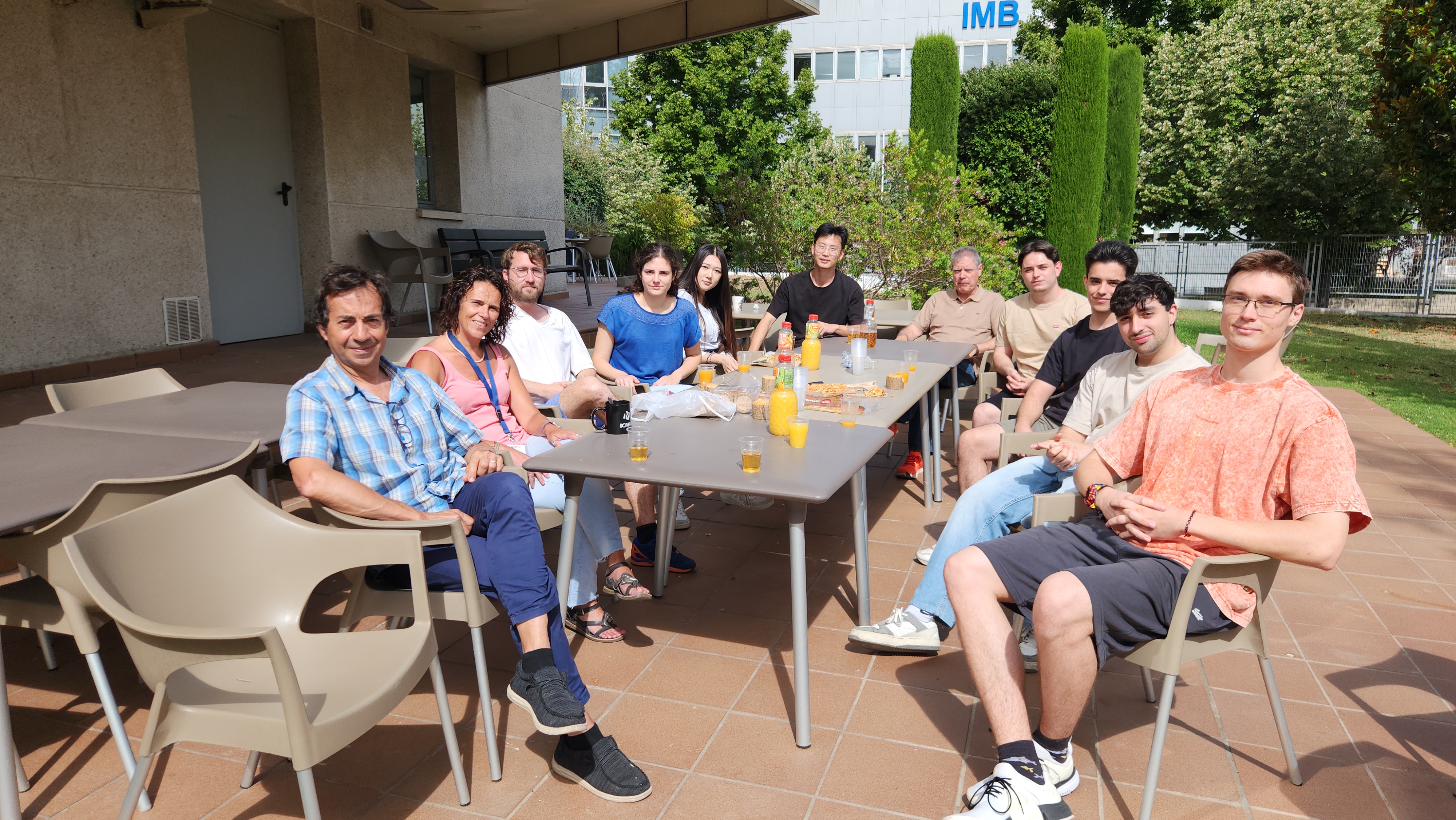
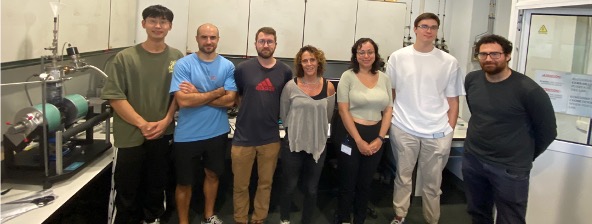
The Nanoengineered Superconductors and Quantum Materials (SuperQMat) group is part of the Superconducting Materials and Functional Nanoengineered Structures Unit at ICMAB-CSIC. Our research explores the fundamental physics and technological potential of advanced quantum and functional materials, with a particular focus on strongly correlated oxides, high-temperature superconductors, magnetic materials, engineered nanostructures, hybrid heterostructures, and metamaterials. By combining condensed-matter physics, materials science, and nanoscale engineering, we aim to uncover the mechanisms that govern emergent quantum phenomena and functional responses in complex materials. Our goal is not only to deepen fundamental understanding but also to translate these discoveries into innovative concepts and device functionalities for future technologies.
We investigate how electronic, magnetic, transport, and optical properties can be controlled through the design of tailored nanostructures, engineered defect landscapes, and interface-driven architectures. Current research activities include tuning superconducting and magnetic states through nanoscale engineering, exploring quantum phase transitions in strongly correlated systems, and developing hybrid platforms based on high-temperature superconductors for next-generation electronic, spintronic, and fluxonic devices. Through these efforts, SuperQMat contributes to the development of sustainable and energy-efficient materials and technologies for future information and communication systems. At the same time, our research expands the frontiers of quantum materials science, providing new insights into the behavior of matter under extreme and emergent quantum conditions.
PERMANENT RESEARCHERS
Head of SuperQMat Group
PhD Students
Master Students
Undergraduated students
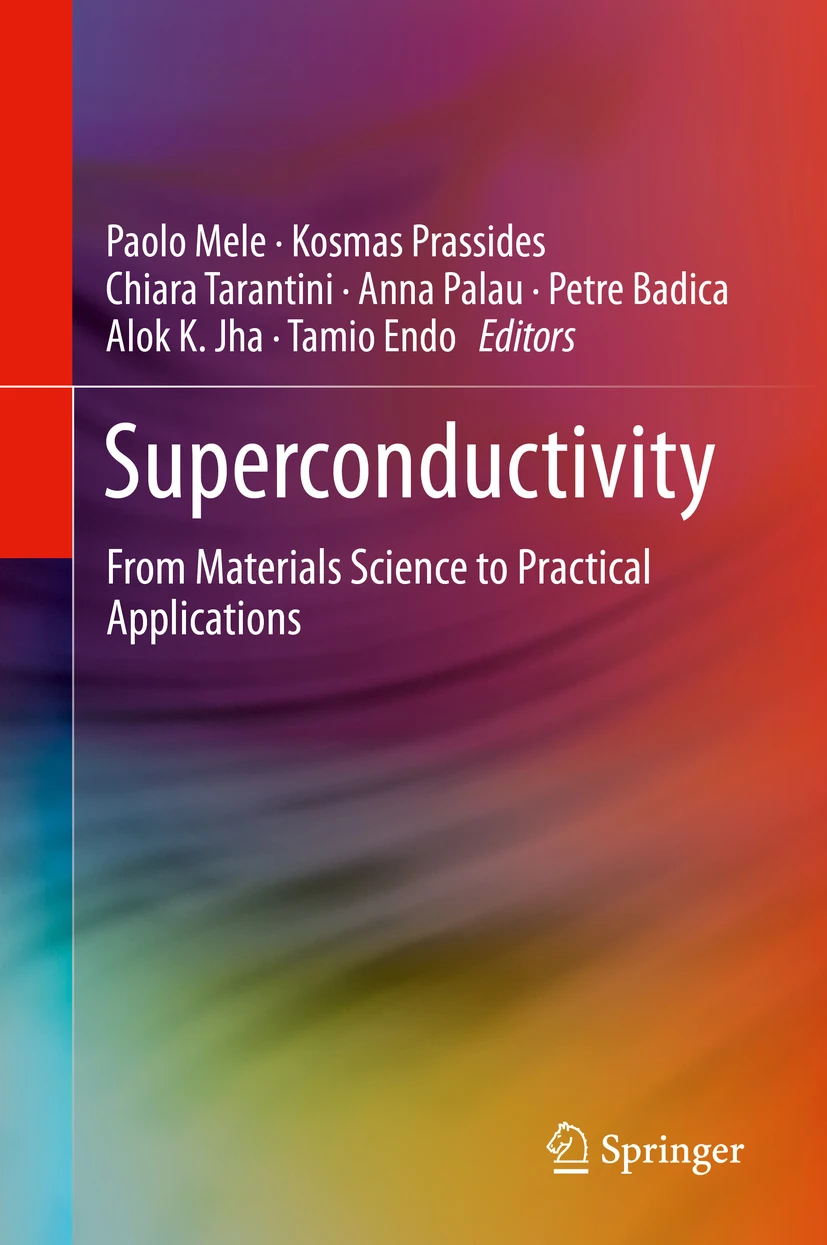
Springer (2020)
P. Mele, K. Prassides, C. Tarantini, A. Palau, P. Badica, Alok K. Jha (Eds.)
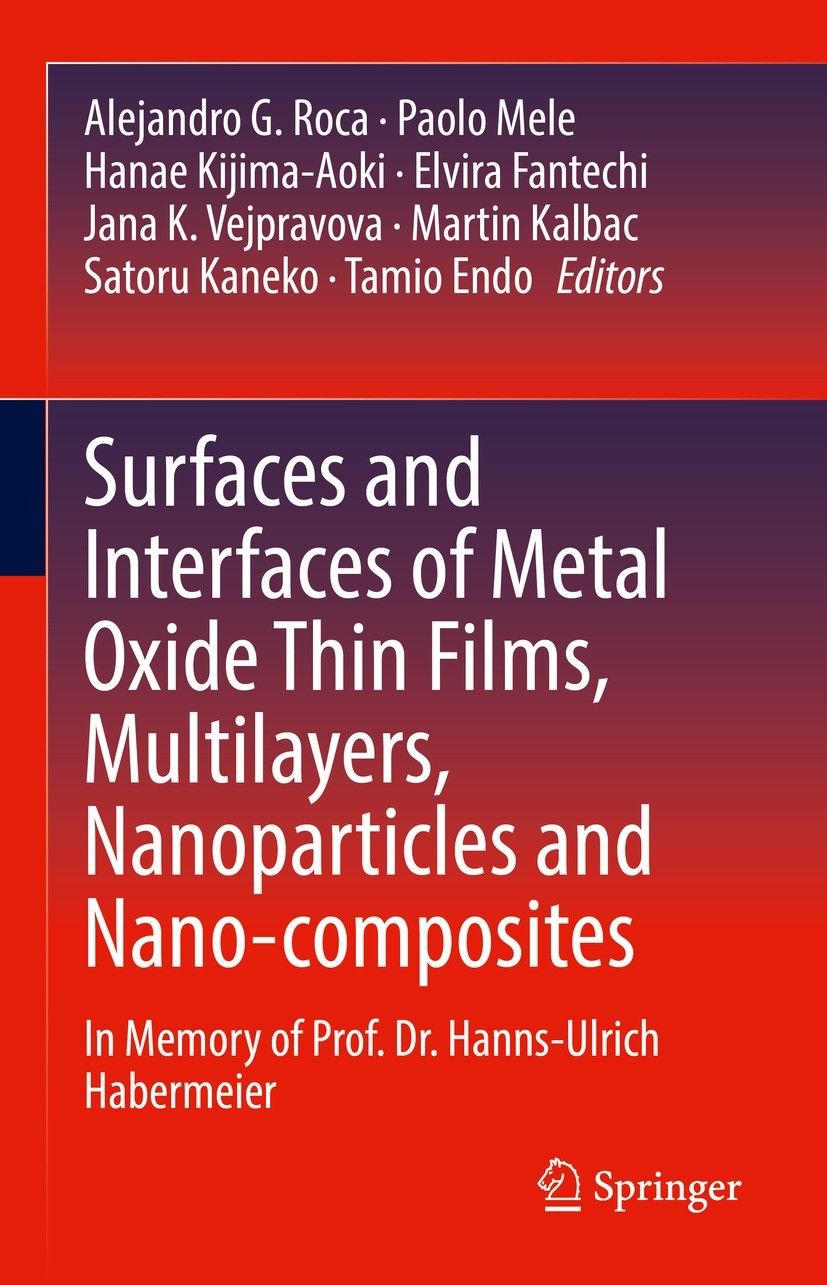
Springer (2021)
J. Alcalà, M. Roig, S. Martín, A. Barrera, A. Fernández-Rodríguez, A. Pomar, L. Balcells, M. Coll, N. Mestres, A. Palau (Book Chapter)
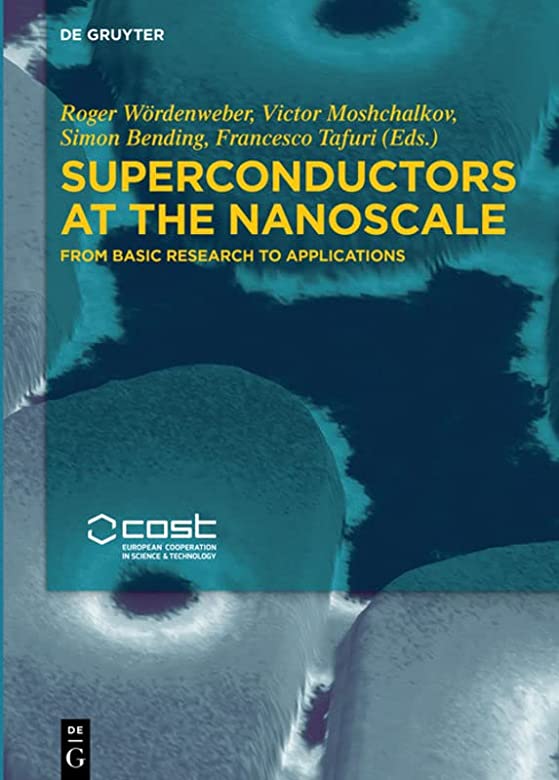
De Gruyter (2017)
A. Palau, V. Rouco, R.F. Luccas, X. Obradors, T. Puig Book chapter in Superconductors at Nanoscale. (Book Chapter)
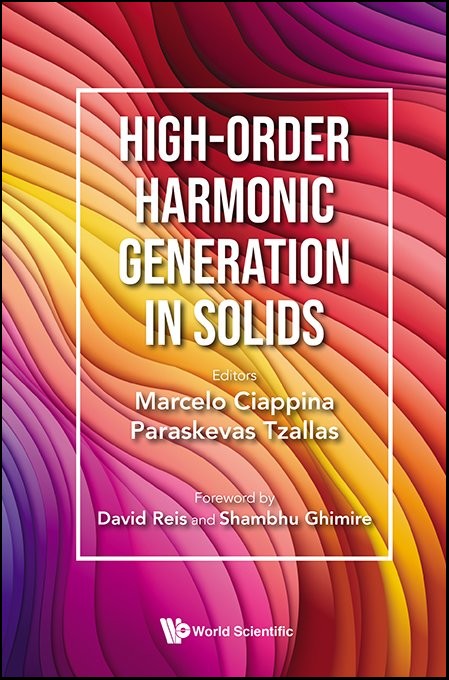
World Scientific
High-Order Harmonic Generation from Unconventional Superconductors
T. Grass, J.Alcalà, U. Bhattacharya, J. Biegert, M. F. Ciappina, U. Elu, P.T. Grochowski, M. Lewenstein, A. Palau, T. P.H. Sidiropoulos, T. Steine, I. Tyulnew (Book Chapter)
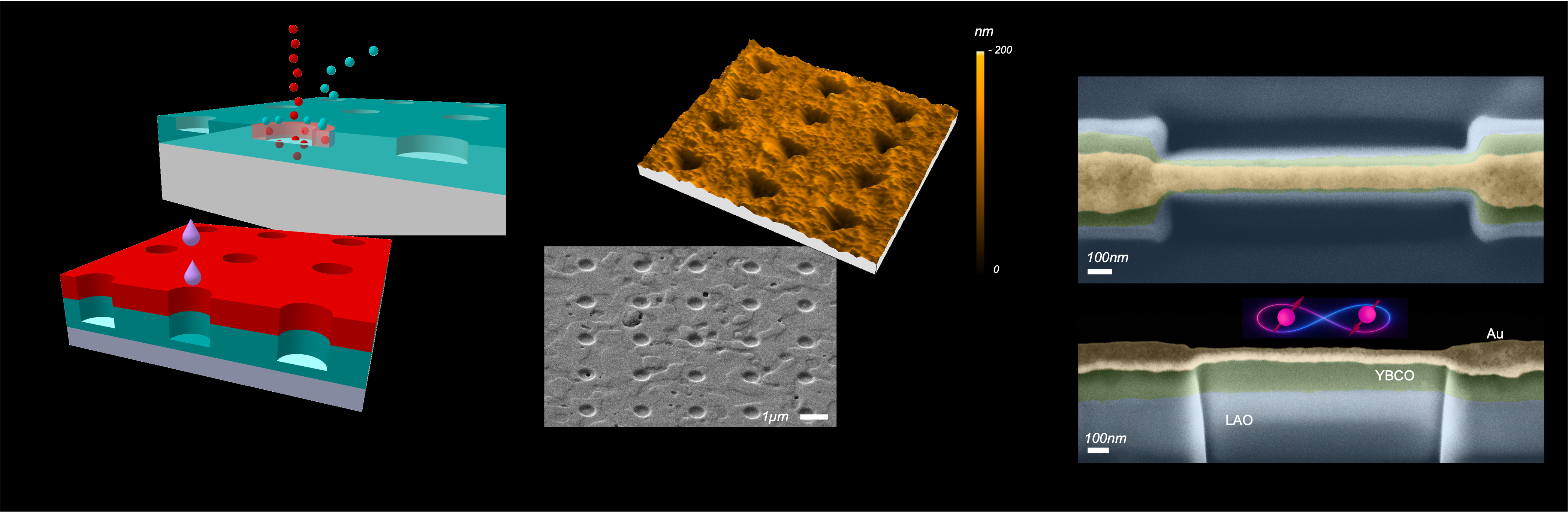
Our project introduces a novel and ground-breaking approach targeting the conception, design, development, and implementation of magnetic metasurfaces for controlling lowfrequency magnetic fields at the meso/microscale.
ICMAB-CSIC
Carrer Til.lers, 3
Campus UAB,
08193 Bellaterra, Barcelona
Spain
Phone
+34 935 801 853
Download My CV